Concert
A Far Cry Chamber Orchestra
Jordan Hall
Symphony Hall area, Boston
September 19, 2026
The Goldberg Variations, BWV 988 (1741)
Arranged for Piano and String Orchestra by Alex Fortes and Sarah Darling
in collaboration with Simone Dinnerstein
Piano: Simone Dinnerstein
A Far Cry:
Violin: Alex Fortes, Clara Lyon, Gabriela Diaz, Grant Houston, Jae Cosmos Lee, Megumi Stohs Lewis, Miki Cloud, Zenas Hsu; Viola: Caitlin Lynch, Celia Hatton, Rosemary Nelis, Sarah Darling; Cello: Francesca McNeeley, Hannah Collins, Julia Yang; Bass: Lizzie Burns, Randy Zigler
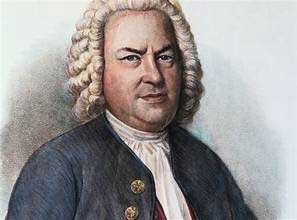
A Far Cry premiered its adaptation of The Goldberg Variations in 2016 and I heard it when the group revisited it in 2019. It was thrilling then, and the current visitation, with new adaptations and embellishments by Crier curators Sarah Darling and Alex Fortes in collaboration with piano soloist Simone Dinnerstein, is full of unexpected twists and turns, equally wonderful.
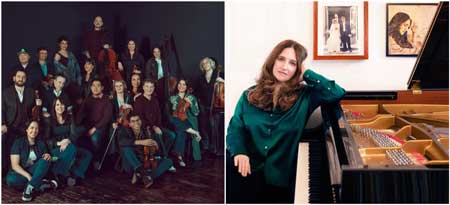
Simone Dinnerstein
Photos: Courtesy of A Far Cry
It is very difficult to take a perfect solo piece like The Goldberg Variations and improve on it, and, amazingly, though this Crier adaptation manages to not exactly improve upon it – one can never really manage that – it embellishes it with all sorts of features that make the hearing of the already great piece equally wonderful in a new and distinctive way.
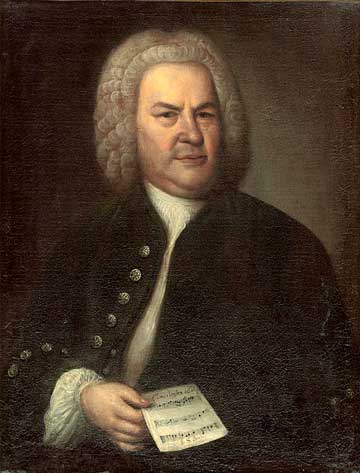
by Elias Gottlob Haussman
There are lots of weird and excitingly unexpected moments, with the basses virtuosically rumbling along – I can’t help but think of the dancing hippo scene in Disney’s Fantasia (1940) (though the music for that scene is entirely different – Ponchielli’s Dance of the Hours from the opera La Gioconda) – or Dinnerstein standing up from her seat to begin plucking her part on the piano strings. In a couple of the sections, the Criers sing, and they do so wonderfully. And there are times when they squeak or beat upon their instruments as percussive devices. It’s all playful, lively, tremendous fun, and so in keeping with the music that it does not seem like a gag but like a great jazz embellishment.
It would, indeed, be terrific to hear what great jazz musicians would do with The Goldberg Variations, but this classical riff and departure by A Far Cry and Simone Dinnerstein is wonderful and liberating enough to feel like the beginning of a jazz exploit. I don’t know if the great jazz pianist Art Tatum – who did takeoffs on a number of other classical works, including some by Dvorak and Chopin – ever took off on The Goldberg Variations – I don’t think he did – but it wouldn’t surprise me. Tatum’s improvisational mode is a bit different from what happens here with A Far Cry, but it is great to have something impendingly jazzlike included in A Far Cry’s take on the classical repertoire.
One cannot say enough in praise of A Far Cry’s democratic disposition, honoring each player with distinctiveness, and bringing to the fore so many excellent players in a way that gives them each a place in the spotlight. The group continues to be an inspiration, not only for the distinctively high quality of its playing across the board, but because of this generosity of spirit that pervades its philosophical outlook. It feels like a ray of sweet hope in the field of professional classical music, and in the world at large. May they continue in strength!
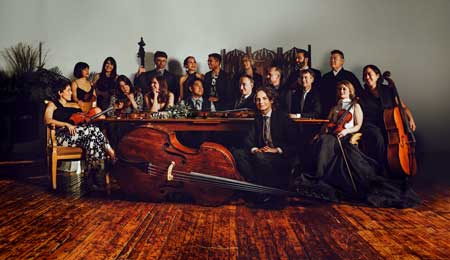
It’s hard to capture the magic of the performance in pure summary, so here are a few notes and images in medias res from the concert in the hope that it brings out some of the distinctiveness, inventiveness and virtuosity of the program.
Particular notes on the performance
Aria, Variation I
Slow paced. Piano. Like Glenn Gould’s late recording – leisurely. Repeated with cello underneath. Smooth cello substrate. Clear singular tone. Then violas intercede with some trills. The violins emerge with a slow-paced complementary motif. Return of the solo piano. Finally a full set of violins, violas, celli, with some plucking basses.
Variation II
Now they all break into it. Very Brandenburgish with violins taking an energetic lead. Then the piano holds sway as the orchestra complements.
Variation III: Canone all’Unisone
A lumbering bass – charming and eloquent – sets it off. Then an errant violin or viola. The lumbering bass is kind of Fantasia-like. Lots of pizzicato punctuating the delicate piano. Plucking basses prevail – they don’t give up and finish it off with articulation.
Variation IV
A lyrical enterprise unfolds with two violins teasing one another and then the piano. Then the cello comes forth clearly and demonstrably. The piano then invites the two violins back in and they join happily and lyrically. The cello resumes its sedate and sonorous pacing with a lovely dialogue with the piano. Then two violins join for the ending.
Variation V
A robust and gallant outing. Everyone but the piano is at it, vigorously. Beautiful string sounds. Then the piano sprints, pulled and poked along with an occasional snap from the bass. some unexpected but intentional squeaks and splats appear – fun!
Variation VI: Canone all Seconda
Piano and bass, plucking away like crazy, with virtuosity. Then lyrical violas poke in. The bass keeps at it, finger-frenetic, amazingly.
Variation VII: Al tempo di Giga
A flourish from the piano echoes by equivalent flourishes from the violas and the celli. Yet another violin flourishes away. It’s flourish world out here – they are all amazingly good! Then the cellos and violins appear without the piano just to show they can do it. The piano and two violins keep up the joy, sweetly.
Variation VIII
The piano robusts. At the development, the orchestra come in fully and we are in the middle of a concerto. The violins smile and the cellos answer, the piano quibbles and comments. A nice string quartet scrambling before the piano takes over.
Variation IX: Canone all Terza
A legato stroll with a paced commentary by cello or violin. The orchestra filter in, subtly. A leisurely retreat.
Variation X: Fughetta
Energetic basso bounce with violin confection. After it’s proven, the piano enters. A substantial figured bass supports it all.
Variation XI
Slithering strings – viola, with cello plunks – followed by gliding piano, smooth as a smoothie. A tickling from above conferred by a trebling violin. Then the cello says yes to it all. The cello sonorous and impressive.
Variation XII: Canone all Quarta
The cello provides the beat for the start of a walking jaunt. They hold down the tent. The piano just hints at forward motion. There something atmospheric, airy and harmonic going on above. The piano does it on its own for awhile – a kid taking off without training wheels.
Variation XIII
See what I can do, the solo piano responds. Racing a little bit, but understandably, all on its own. Then repeating, a sweet viola seconds the piano. Quiet, intimate, a private conversation. It continues, in minor key, piano along, beautifully, plaintively. It continueth more, deep in dialogue. Lovely viola.
Variation XIV
Pull out all the stops. Strings pressing their strings with some added bounce. The pieces lightly and lyrically scrabbles through their duplicated triplicates. Nice bounced punctuated blow slaps, etc.
Variation XV: Canone all Quinta. Andante
Nice trio, with violin and viola. Loosely resonant cello. Piano enters and cello participates. Pairing quietly and deliberately as though opening caverns of silence within. Violins take over for cello. Seeming alternation in piano parts to accommodate violins. A stringed lyrical bass with attendant yearning. The piano delivers the final fuel downstream.

Intermission
Variation XVI: Ouverture
They all dig in deeply, again in Brandenburg mode. Robust, nicely coordinated. And then the piano, concerto-like, flourishing full, solid. The piano then scoots by itself, initiating a wild set of rejoinders from the crowd.
Variation XVII
The piano rethinks itself as the plucking violas try to comment, tentatively. The piano races by and the pluckers wave. They make a nice trilling wavelike gesture over the piano swells. It’s a pluckfest.
Variation XVIII: Canone all Sesta
A string sinfonia. Nice cello, solid and assured. Piano confers confidence, with violin and viola musing overhead.
Variation XIX
Leisurely plucking with paced piano, as though the previous variation got stretched and played on 33 instead of 45. Strings bow and curtsy and invite the piano to dance, which it does in a gracious rondo.
Variation XX
The two cellos come out front, and aren’t they great! The two fiddlers go crazy. The piano enters in short contrapuntal gestures. The two cellos go a little crazy, stating their cases beautifully, whie the violins, on speed, run off the rails. The piano screams to the finale.
Variation XXI: Canone all Settima
The lonely legato cello counterparts with piano in a graceful slide. The sonorous tone just enough for the piano to sparkle. The basses and violas mull it over while the piano preens in silence. What could she be thinking? They question, muse, discuss while the Mona Lisa pianist sits silent and smiles. There’s a lot of brooding underneath. The solo cello speaks again and the piano re-emerges. The sonorous appeal brings out her voice and as the key changes, they end, engaged.
Variation XXII: Alla breve
A quiet testament by the piano and then the Criers sing, beautifully. How nice! I’m waiting for them to break into dance: The Goldberg Variations: The Musical! Why not? Truly they sing beautifully. Now they can truly be called Criers. And they will now make
Variation XXIII
Back to those doggone instruments from the land of a cappella, some bounding around. The coloratura piano responds in kind, flourishing away (there’s a lot of great flourishing in this performance, indeed). They pluck and click in response and then slap. I’m waiting earnestly for the washtub and spoons to appear. Those violas take off again so resplendently. And is that a little Irish or Klezmer style fiddling taking off alongside…
Variation XXIV: Canone all’Ottava
… leading to this sedate stroll? The cello supports the piano resolutely. A tease by piano gets some co-flourishing by an array of strings. The viola and violin finish with fiddle freneticisms.
Variation XXV: Adagio
The famous aria with that bent note and then another. The piano is eloquent. A planitive appeal to the resplendence of solitude. The solo viola enters beautifully, reaching those birds with aplomb, snaking higher – yearning, yearning. It continueth, determined, a kineticism of the measured phrase. No piano, but an appeal to one. A lovely solid bass enters from below. The piano comes to confer on it all and adds a blessing, quietly alone, reflectively.
Variation XXVI
Now it perks up and the piano is running in response to the prodding of the strings, on drugs, working the heavens while the strings wonder and gaze. The vioiins, viola and a cello take off, racing to the end magnificently.
Variation XXVII: Canone alla Nona
A limpid pianistic pool enhanced by surreal pokes, glides, whistles and a nice normal cello below. Whistles, squeaks – all weird and great – helping the insistently fluid piano find her pace. Then they all follow in kind. The third cello gets a glowing chance in real Criers style.
Variation XXVIII
Now she’s plucking the piano! And all the ret of them are plucking. How great! Shouldn’t we have a Glass Harmonica as well? The strings scrabbling and scrambling wonderfully like a bunch of quiet mice – also in Fantasia of course. Wild and wonderful! A great pluckfest overall.
Variation XXIX Now full force bouncing, with heavy cello and bass. Piano is scrabbling. We’ll get back there! It’s like the string Iditerod, with the piano pulling the sled. Dinnerstein fluid and lithe as they all come along. Rain, waterfalls and then the cascade of strings, building to a climax. They are off to the races and the strings go crazy before the piano calls them back to order. They obey. Like Bach, they play around, but always find home base. Now The Criers are singing and playing. This is indeed the Ode To Joy of The Goldberg Variations.
Variation XXX: Quodlibet
They are really returning home, back to quietude and measure. Leisurely, thoughtfully, the piano restates its case with the reassuring cellos weighing the balance. The violas offer commentary, supportively. They are all humming together, instrumentally, tonality everything. The bass offers a final support and the piano muses on its good fortunes. All is at peace.
Overall: Terrific concert – wonderful virtuosity by both strings and piano – inventive, fun, dramatic, unexpectedly interesting in many great ways.
– BADMan (aka Charles Munitz)
Leave a Reply